

Top Rated Pedrovazpaulo Coaching: A Clear, No-Hype Guide (2025–2026)
Who it’s for: managers, founders, and executives who want real growth, not sales talk.
Goal: help you understand what “top rated” should mean, how good coaching works, and how to judge it.
What “top rated” should mean (not buzzwords)
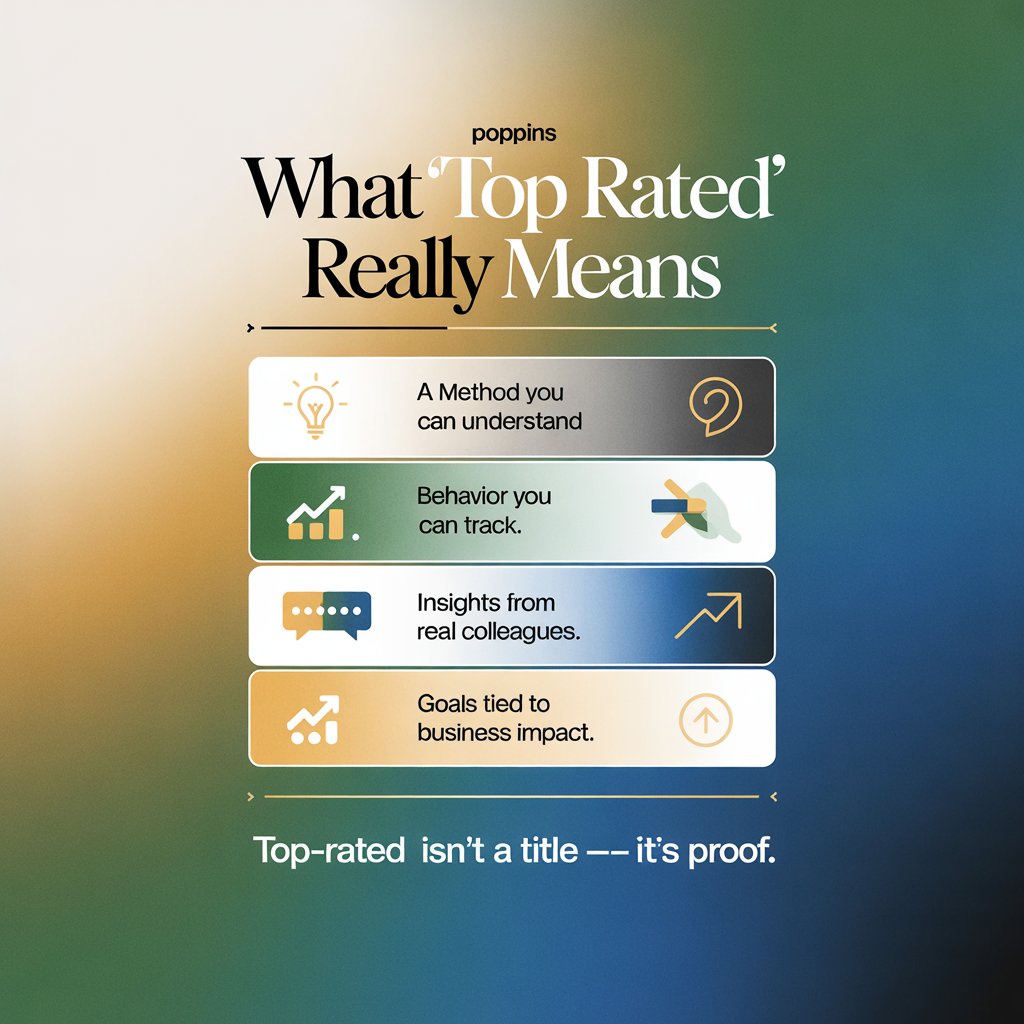
Top rated” must be earned. It should mean:
- a clear method you can understand.
- measurable behavior change you can track.
- real feedback from people you work with.
- results that connect to team and business goals.
If you can’t see those four, it’s not “top rated.” It’s marketing
.
Who gets the most value
- New leaders: you need delegation, feedback habits, and confidence.
- Mid-level leaders: you need strategy, influence, and cross-team alignment.
- Senior execs: you need vision, change leadership, and board-level impact.
Pick a track that fits your stage, not your title.
How a strong program actually works
- Baseline first. Short 360° or stakeholder pulse. Agree on 2–3 behaviors to change.
- Personal plan. One simple page: goals, actions, metrics, and check-ins.
- Real reps. Practice real meetings, tough conversations, and decisions.
- Short loops. Try → measure → adjust every two to four weeks.
- Re-measure. Use the same baseline tools at the end.
No fluff. No mystery. Just loops and proof.
Core skills that move the needle in 2025
- Analytical thinking: see patterns, not noise.
- Communication that lands: clear, brief, and kind.
- Emotional intelligence: read the room, regulate reactions, build trust.
- Change leadership: guide people through uncertainty with steady steps.
- Decision speed with quality: use simple frameworks and limits for analysis.
A practical four-tier path (example structure)
Tier 1 — Foundations (≈6 months)
Focus: delegation, feedback, time blocking, conflict basics.
Outcome: calmer weeks, clearer expectations, fewer escalations.
Tier 2 — Strategic Leader (≈12 months)
Focus: decision frameworks, executive presence, influence, empowerment.
Outcome: stronger cross-team results and clearer strategic voice.
Tier 3 — Enterprise Leader (≈18 months)
Focus: vision setting, change programs, crises, succession plans.
Outcome: reliable performance in complex, high-stakes work.
Tier 4 — Legacy & Mastery (24+ months)
Focus: thought leadership, board readiness, global influence, renewal habits.
Outcome: durable impact and a pipeline of leaders behind you.
(Durations are guides; the real test is progress, not calendar time.)
What “good” looks like week to week
- Meetings end with owners and dates.
- Fewer re-work loops and surprises.
- Tough topics start earlier, not later.
- Decisions land faster, with better follow-through.
- Your team solves more without you.
Track these wins monthly. Small compounding gains beat big promises.
Simple selection checklist (use before you commit)
- The coach can explain their method in plain language.
- You see a sample plan with milestones and measures.
- Stakeholders are involved at the start and end.
- Sessions practice your real moments, not just theory.
- There’s a re-measurement plan, not just “we’ll see.”
If one is missing, ask why. If two are missing, keep looking.
Common pitfalls to avoid
- No baseline. You can’t prove change without a start point.
- All talk, no reps. Growth needs practice between sessions.
- Generic playbooks. Your context matters.
- Solo view. Always include manager, peers, or reports for feedback.
- Over-engineering. One page beats a binder you’ll never open.
A 30-day starter plan (use now)
Week 1: run a quick pulse with your team: “Keep / Stop / Start.” Pick two behaviors.
Week 2: practice one crucial conversation. Write the opener. Rehearse once. Deliver.
Week 3: pick one decision you delay. Cap analysis time. Decide. Review outcome.
Week 4: log wins and misses. Adjust one habit. Share progress with your team.
Repeat next month. Consistency compounds.
Frequently Asked Questions