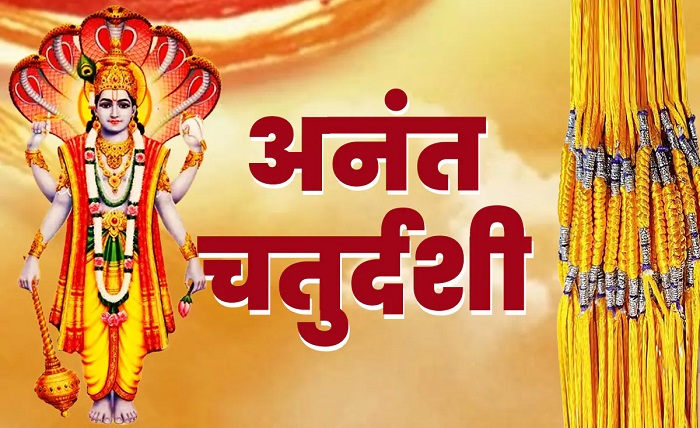
Understanding chaudas kab ki hai is important for people who follow the Hindu lunar calendar and religious traditions. The term “Chaudas” refers to the 14th day (Chaturdashi) of each lunar fortnight, which appears twice every month—once in Krishna Paksha and once in Shukla Paksha. Many festivals, rituals, and spiritual observances depend on knowing chaudas kab ki hai, making it a significant concept in Hindu culture.
When people ask chaudas kab ki hai, they are usually trying to find the exact date of Chaturdashi in the current month. This day plays an important role in fasting, puja rituals, and preparations for major festivals like Naraka Chaturdashi and Maha Shivratri.
Meaning and Definition of Chaudas Kab Ki Hai
The meaning of chaudas kab ki hai comes from the Sanskrit word “Chaturdashi,” which means the 14th lunar day. In the Hindu lunar calendar, each month is divided into two parts: Shukla Paksha (waxing moon) and Krishna Paksha (waning moon). Each of these phases has a Chaudas day.
When discussing chaudas kab ki hai, it is important to understand that this day holds spiritual significance. Devotees often perform prayers to Lord Shiva or Goddess Kali depending on the type of Chaudas.
People searching chaudas kab ki hai are often interested in religious observances, fasting schedules, or astrology-based planning. It is also considered an important day for cleansing negative energy and preparing for the new moon or full moon events.
Types of Chaudas Kab Ki Hai in Hindu Calendar
There are two main types when understanding chaudas kab ki hai in the Hindu calendar system:
The first type is Krishna Paksha Chaudas, which occurs before Amavasya (new moon). The second type is Shukla Paksha Chaudas, which occurs before Purnima (full moon). Both hold different spiritual meanings depending on regional traditions.
When people search chaudas kab ki hai, they may be referring to either Naraka Chaturdashi or Shivratri-related Chaturdashi. Naraka Chaturdashi is associated with Diwali celebrations, while Maha Shivratri is one of the most important nights for Lord Shiva devotees.
Understanding chaudas kab ki hai helps devotees prepare for fasting, rituals, and temple visits based on the type of Chaudas that falls in a particular month.
How Dates Are Calculated for Chaudas Kab Ki Hai
To determine chaudas kab ki hai, astrologers use the Hindu lunar calendar, which is based on the moon’s movement around the Earth. Each lunar month has 30 tithis (lunar days), and Chaturdashi is the 14th tithi.
When calculating chaudas kab ki hai, both sunrise timing and moon phase are considered. This is why Chaudas dates often vary in different regions and calendars.
Modern Panchang tools and astrology apps make it easy to check chaudas kab ki hai instantly. However, traditional priests still rely on detailed Panchang calculations to determine exact timings for puja and fasting.
Knowing chaudas kab ki hai helps devotees avoid confusion and ensures that rituals are performed at the correct spiritual time.
Religious Importance of Chaudas Kab Ki Hai
The religious importance of chaudas kab ki hai is deeply rooted in Hindu beliefs. Chaudas is considered a powerful day for spiritual cleansing and devotion.
On Krishna Paksha Chaudas, devotees often worship Goddess Kali or perform Tantric rituals. On the other hand, Shukla Paksha Chaudas is associated with Lord Shiva worship and meditation practices.
When people ask chaudas kab ki hai, they are often preparing for fasting or temple visits. Maha Shivratri, one of the most important Hindu festivals, also falls on a Chaudas day, increasing its spiritual importance.
Understanding chaudas kab ki hai allows devotees to align their spiritual practices with cosmic energies believed to be strongest on this lunar day.
Rituals and Practices on Chaudas Kab Ki Hai
Rituals performed on chaudas kab ki hai vary depending on regional customs and religious beliefs. Many devotees observe fasting, visit temples, and perform special prayers.
On days like Naraka Chaturdashi, people take ritual baths early in the morning, light lamps, and pray for the removal of negativity. Similarly, on Shiva-related Chaudas, devotees perform Abhishek (offering water, milk, and bel leaves to Shivling).
When learning chaudas kab ki hai, it is also important to understand that many people avoid negative actions and focus on meditation and charity on this day.
Devotees also chant mantras and read sacred texts to enhance spiritual energy when chaudas kab ki hai arrives in the lunar calendar.
How to Check Upcoming Chaudas Kab Ki Hai in 2026
Finding chaudas kab ki hai in 2026 is easier than ever due to digital Panchang calendars and astrology websites. These tools provide exact dates based on lunar calculations.
Many mobile apps now offer notifications for chaudas kab ki hai, helping devotees plan fasting and rituals in advance. Traditional Hindu calendars (Panchang) are still widely used in India and Nepal to track these dates.
When checking chaudas kab ki hai, it is important to consider local sunrise timings because Hindu tithis may change based on location.
By regularly checking chaudas kab ki hai, devotees can stay updated with important religious observances and never miss important fasting days or festivals.
Astrological Significance of Chaudas Kab Ki Hai
Astrology plays an important role in understanding chaudas kab ki hai, as lunar phases are believed to influence human emotions and energy levels.
Chaudas is often considered a powerful day for transformation and spiritual growth. Many astrologers recommend meditation and self-reflection when chaudas kab ki hai occurs.
According to astrology, negative energies are stronger during Krishna Paksha Chaudas, while positive energies increase during Shukla Paksha Chaudas. This is why knowing chaudas kab ki hai helps in planning important spiritual activities.
People interested in astrology often track chaudas kab ki hai to align their actions with cosmic energy cycles.
Conclusion
In conclusion, understanding chaudas kab ki hai is essential for anyone who follows Hindu traditions, astrology, or lunar calendar-based rituals. Chaudas occurs twice every month and holds deep spiritual significance in both Krishna Paksha and Shukla Paksha.
By knowing chaudas kab ki hai, devotees can perform rituals at the right time, observe fasting correctly, and stay connected with religious traditions. Whether it is for Maha Shivratri, Naraka Chaturdashi, or personal spiritual practice, Chaudas plays an important role in Hindu culture.
Staying updated with chaudas kab ki hai through Panchang or digital tools ensures that no important spiritual day is missed in the yearly calendar cycle.
FAQs
1. What does chaudas kab ki hai mean?
The phrase chaudas kab ki hai refers to the 14th lunar day (Chaturdashi) in the Hindu calendar and helps identify important religious dates.
2. How many times does chaudas kab ki hai occur in a month?
The day chaudas kab ki hai occurs twice every month—once during Shukla Paksha and once during Krishna Paksha.
3. Why is chaudas kab ki hai important?
The importance of chaudas kab ki hai lies in its religious and spiritual significance, as many rituals, fasts, and festivals occur on this day.
4. How can I check chaudas kab ki hai in 2026?
You can check chaudas kab ki hai using Hindu Panchang calendars, astrology apps, or online lunar date trackers.
5. Which festivals are linked to chaudas kab ki hai?
Major festivals like Maha Shivratri and Naraka Chaturdashi are linked to chaudas kab ki hai, making it a spiritually important day.