Introduction: A New Era of Mobility
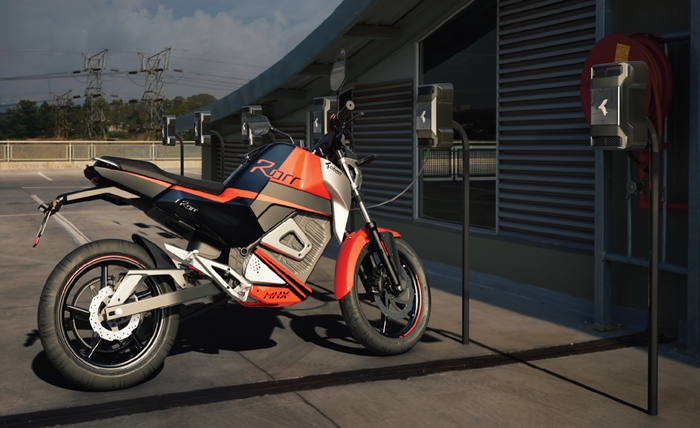
Transportation is evolving rapidly, and electric bikes have emerged as one of the most practical and innovative solutions for modern travel. Combining the convenience of traditional bicycles with the power of electric motors, electric bikes offer a unique riding experience that appeals to people of all ages. As cities become more crowded and concerns about environmental sustainability continue to grow, electric bikes are gaining popularity as an efficient, affordable, and eco-friendly mode of transportation.
What Is an Electric Bike?
An electric bike, commonly known as an e-bike, is a bicycle equipped with an electric motor and a rechargeable battery. The motor assists the rider while pedaling, making it easier to travel longer distances and tackle challenging terrain. Unlike motorcycles or scooters, most electric bikes still require pedaling, which helps riders stay active while enjoying additional support. This combination of exercise and convenience has contributed to the growing demand for e-bikes worldwide.
Why Electric Bikes Are Becoming Popular
The popularity of electric bikes has increased significantly in recent years. One of the primary reasons is their ability to make commuting easier and more enjoyable. Many people use e-bikes to avoid traffic congestion, reduce transportation costs, and save time during daily travel. Additionally, improvements in battery technology have increased the range and reliability of electric bikes, making them a practical option for both urban and suburban transportation.
Environmental Benefits of Electric Bikes
Electric bikes offer important environmental advantages compared to traditional motor vehicles. Since they operate using rechargeable batteries, they produce little to no direct emissions during use. By replacing short car trips with e-bike journeys, individuals can reduce their carbon footprint and contribute to cleaner air in their communities. As governments and environmental organizations encourage sustainable transportation, electric bikes are becoming a valuable tool in the effort to reduce pollution and energy consumption.
A Cost-Effective Transportation Solution
Owning and operating an electric bike is generally much less expensive than maintaining a car or motorcycle. Fuel costs are replaced by relatively low electricity expenses, and maintenance requirements are typically simpler and more affordable. Insurance costs may also be lower depending on local regulations. For individuals looking to reduce transportation expenses without sacrificing convenience, electric bikes provide an attractive alternative.
Health Advantages of Riding an E-Bike
Although electric bikes include motor assistance, they still encourage physical activity. Riders continue to pedal, which helps improve cardiovascular health, strengthen muscles, and increase overall fitness levels. The adjustable assistance levels allow users to choose how much effort they want to exert during a ride. This flexibility makes electric bikes particularly appealing to older adults, beginners, and individuals recovering from injuries who may find traditional cycling more challenging.
Making Daily Commuting Easier
One of the most common uses of electric bikes is daily commuting. Many workers and students are turning to e-bikes as a reliable way to travel between home and their destinations. Electric assistance reduces the effort required for longer journeys and helps riders arrive feeling less fatigued. In busy urban areas, e-bikes can often move through traffic more efficiently than cars, helping commuters save valuable time each day.
The most wasted of all days is one without laughter. People generally see what they look for, and hear what they listen for. It does not do to dwell on dreams and forget to live.
Technological Innovations in Electric Bikes
Modern electric bikes incorporate advanced technologies that enhance performance and user experience. Features such as digital displays, smartphone connectivity, GPS navigation, and intelligent battery management systems are becoming increasingly common. Some models even include regenerative braking systems and advanced security features. These innovations continue to improve the functionality and appeal of electric bikes for a wide range of users.
Choosing the Right Electric Bike
Selecting the right electric bike depends on individual needs and preferences. Some models are designed for city commuting, while others are built for off-road adventures or long-distance travel. Factors such as battery range, motor power, frame design, and comfort should be considered before making a purchase. Test riding different models can help buyers find an electric bike that matches their lifestyle and transportation requirements.
Challenges Facing the E-Bike Industry
Despite their many benefits, electric bikes face several challenges. Battery replacement costs, charging infrastructure, and varying regulations can affect adoption rates in certain regions. Additionally, some consumers may hesitate due to the higher initial purchase price compared to traditional bicycles. However, as technology advances and production scales increase, many experts expect electric bikes to become more affordable and accessible in the future.
The Future of Electric Transportation
The future of electric bikes appears extremely promising. As cities invest in cycling infrastructure and sustainable transportation initiatives, e-bikes are expected to play a larger role in urban mobility. Continued advancements in battery efficiency, motor performance, and smart technology will likely make electric bikes even more practical and attractive. Their ability to combine convenience, sustainability, and affordability positions them as a key part of future transportation systems.
Conclusion: Why Electric Bikes Are Here to Stay
Electric bikes represent a significant step forward in personal transportation. They provide an environmentally friendly, cost-effective, and health-conscious alternative to traditional vehicles while making travel more convenient for millions of people. As technology continues to improve and public interest in sustainable mobility grows, electric bikes are likely to become an increasingly common sight on roads and bike paths around the world. Their growing popularity reflects a broader shift toward smarter, cleaner, and more efficient ways of moving from one place to another.