Introduction
The the unsent project has become one of the internet’s most emotional and relatable digital experiences. In a world where people often struggle to express their deepest feelings, the unsent project offers a safe space where emotions can exist without judgment. Millions of anonymous messages submitted to the platform reveal heartbreak, love, regret, healing, longing, and hope. What makes the unsent project unique is its ability to transform private emotions into a shared human experience.
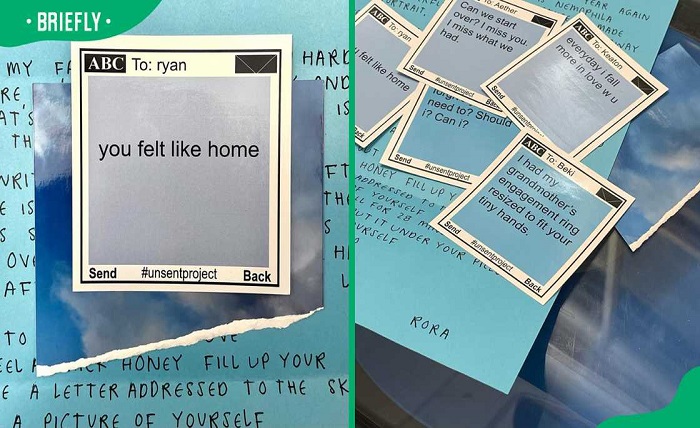
Created as an artistic and emotional archive, the unsent project invites users to send messages they never had the courage to deliver in real life. These unsent texts are often directed toward former lovers, friends, family members, or even strangers who left a lasting impact. Because of its emotional authenticity, the unsent project has gained massive popularity across social media platforms like TikTok, Instagram, and Pinterest.
In this detailed guide, we will explore the history, meaning, emotional power, and cultural impact of the unsent project while understanding why so many people feel deeply connected to it.
The Origins of The Unsent Project
The the unsent project was created by artist Rora Blue as an experimental art project focused on human emotion and communication. The idea behind the unsent project was simple yet powerful: collect anonymous text messages people never sent to their first loves and display them publicly as emotional art.
The creator asked participants one important question: “What color do you associate with your first love?” This question became central to the unsent project because every submitted message is categorized by color. Over time, the project evolved into a massive digital archive containing millions of anonymous confessions.
The emotional honesty found in the unsent project quickly attracted internet users from all over the world. Many readers discovered that strangers were expressing emotions identical to their own. This feeling of emotional connection helped the unsent project grow far beyond a simple art experiment.
Today, the unsent project is recognized as one of the internet’s most moving emotional archives, blending art, psychology, and storytelling into a single platform.
Emotional Connection in The Unsent Project
One major reason the unsent project became viral is because it reflects emotions people often hide in everyday life. Modern communication allows people to send instant messages, but it does not always make emotional expression easier. Many individuals write messages they never send because of fear, heartbreak, embarrassment, or uncertainty. The unsent project gives those hidden emotions a place to exist.
Readers often spend hours browsing the unsent project because the messages feel raw and authentic. Unlike polished social media posts, the entries in the unsent project reveal genuine vulnerability. Some messages express love that was never confessed, while others contain painful apologies or unresolved anger.
Social media platforms played a major role in spreading the unsent project. TikTok creators began sharing emotional messages from the archive, encouraging millions of viewers to visit the website. As a result, the unsent project became more than an art piece—it became an online emotional movement.
Another reason for the popularity of the unsent project is relatability. Nearly everyone has experienced emotions they could not fully express. Seeing those feelings reflected by strangers creates comfort and validation.
Color Psychology in The Unsent Project
One of the most fascinating features of the unsent project is its use of color. Every message submitted to the unsent project is connected to a specific color chosen by the sender. These colors symbolize emotional memories and associations connected to a person or relationship.
For example, many people choose red in the unsent project to represent passion, heartbreak, or intense love. Blue often symbolizes sadness, calmness, or emotional distance. Yellow may represent happiness or nostalgia, while black can symbolize grief, anger, or emptiness.
The color system makes the unsent project visually powerful because emotions become connected to visual identity. Readers browsing messages by color often discover emotional patterns. This artistic structure transforms the unsent project from a simple message board into a meaningful emotional artwork.
Psychologically, colors play an important role in memory and emotion. The creator of the unsent project intentionally used color as a way to deepen emotional interpretation. Instead of simply reading words, viewers experience feelings through visual symbolism as well.
The combination of anonymous storytelling and color psychology is one reason the unsent project feels deeply immersive and unforgettable.
Mental and Emotional Impact of The Unsent Project
For many people, the unsent project serves as a form of emotional release. Writing down unspoken feelings can help individuals process pain, heartbreak, guilt, or confusion. Even though the messages are never delivered directly, submitting them to the unsent project often creates a sense of closure.
Psychologists frequently discuss the therapeutic benefits of expressive writing. The emotional process behind the unsent project aligns closely with those ideas. People who struggle to communicate openly may find comfort in anonymously sharing their truth.
Reading messages on the unsent project can also reduce feelings of loneliness. Many users realize they are not alone in their emotional struggles. Whether dealing with rejection, lost love, grief, or unresolved trauma, readers often discover others who understand exactly how they feel.
Some messages in the unsent project are heartbreaking, while others are surprisingly hopeful. Together, these entries create a realistic picture of human emotion. This emotional honesty is one reason many people return repeatedly to the unsent project during difficult periods in their lives.
Although the unsent project is not a replacement for therapy or professional mental health support, it can provide emotional comfort and validation in meaningful ways.
TikTok and Viral Growth of The Unsent Project
The explosion of the unsent project on social media significantly increased its popularity worldwide. Platforms like TikTok, Instagram, YouTube, and Pinterest helped transform the unsent project into a cultural phenomenon among younger audiences.
TikTok users frequently share emotional entries from the unsent project paired with music, aesthetic visuals, and personal stories. These videos often receive millions of views because the messages resonate deeply with audiences. The emotional simplicity of the unsent project makes it highly shareable on short-form video platforms.
Instagram pages dedicated to the unsent project also repost anonymous messages alongside artistic backgrounds and emotional quotes. This aesthetic presentation aligns perfectly with modern internet culture, where emotional storytelling and visual design often merge together.
Another important factor is community interaction. People discussing the unsent project online often share their own unsent messages or personal experiences. This creates a sense of belonging and emotional openness.
The viral success of the unsent project demonstrates how digital platforms can amplify emotional art and human storytelling. In many ways, social media transformed the unsent project from an independent art project into a global emotional archive.
Love, Regret, and Heartbreak in The Unsent Project
The messages shared in the unsent project reveal recurring emotional themes that connect people across cultures and backgrounds. Love is perhaps the most dominant theme within the unsent project, especially first love and lost relationships.
Many submissions express regret. People often write messages apologizing for mistakes they never corrected or confessing feelings they never revealed. This emotional honesty makes the unsent project feel intensely personal.
Heartbreak is another central theme in the unsent project. Numerous entries describe the pain of separation, betrayal, emotional distance, or missed opportunities. Readers frequently connect with these messages because heartbreak is a universal human experience.
However, not every message in the unsent project is sad. Some are filled with gratitude, forgiveness, hope, or personal growth. Certain users write about moving on from toxic relationships or learning valuable life lessons through emotional pain.
Another interesting aspect of the unsent project is how brief many messages are. Sometimes a single sentence carries enormous emotional weight. This simplicity allows readers to project their own experiences onto the words.
Ultimately, the emotional diversity within the unsent project is what keeps audiences deeply engaged.
Ethical Questions About The Unsent Project
Despite its popularity, the unsent project has also faced criticism and ethical concerns. Some critics argue that the unsent project romanticizes emotional suffering or encourages people to remain emotionally attached to past relationships.
Others worry about privacy issues. Even though submissions to the unsent project are anonymous, some messages contain detailed emotional experiences that could potentially identify real individuals. This raises questions about emotional consent and digital boundaries.
Another criticism involves emotional dependency. Some users repeatedly browse the unsent project during periods of heartbreak, which may reinforce sadness rather than encourage healing. Emotional content can sometimes become addictive, especially when people are struggling emotionally.
However, supporters of the unsent project argue that the platform provides a healthy outlet for emotional expression. Many believe the archive encourages honesty and emotional reflection in a society where vulnerability is often discouraged.
The debates surrounding the unsent project highlight broader conversations about mental health, digital expression, and emotional storytelling online. Like many forms of emotional art, the unsent project can affect people differently depending on their emotional state and personal experiences.
The Lasting Influence of The Unsent Project
As digital culture continues evolving, the unsent project is likely to remain influential for years to come. The project reflects a growing desire for authentic emotional expression in an online world often dominated by curated perfection.
Many experts believe platforms like the unsent project represent the future of emotional storytelling. Younger generations increasingly value honesty, vulnerability, and shared emotional experiences. Because of this cultural shift, the unsent project continues attracting new audiences every day.
The artistic structure of the unsent project also makes it timeless. Combining anonymous writing with color symbolism creates an emotional experience that feels both modern and deeply human. This unique format ensures that the unsent project stands out among countless online platforms.
There is also potential for the unsent project to expand into books, exhibitions, documentaries, or interactive digital experiences. Its massive archive of emotional storytelling offers endless creative possibilities.
Most importantly, the unsent project reminds people that emotions do not disappear simply because they remain unspoken. Even messages never sent still carry emotional truth and meaning.
Conclusion
The the unsent project is far more than a collection of anonymous messages. It is a digital reflection of human emotion, vulnerability, memory, and connection. Through millions of unsent texts, the unsent project captures experiences that people often struggle to express openly in real life.
Its popularity demonstrates how deeply people crave emotional understanding and authenticity. Whether someone reads the unsent project out of curiosity, heartbreak, nostalgia, or healing, the experience often feels deeply personal.
By combining emotional storytelling with artistic color symbolism, the unsent project has become one of the internet’s most meaningful emotional archives. It continues helping people feel seen, understood, and less alone in their emotional experiences.
In a digital age where communication is constant yet emotional honesty can feel rare, the unsent project proves that even unsent words still matter.
FAQs
1. What is the unsent project?
The unsent project is an online art project where people anonymously submit messages they never sent to someone important in their lives.
2. Who created the unsent project?
The unsent project was created by artist Rora Blue as a digital emotional art archive.
3. Why are colors important in the unsent project?
In the unsent project, colors symbolize emotional memories and feelings associated with relationships or personal experiences.
4. Is the unsent project anonymous?
Yes, submissions to the unsent project are anonymous, allowing people to express emotions without revealing their identities.
5. Why do people relate to the unsent project?
People connect with the unsent project because it expresses universal emotions like love, heartbreak, regret, healing, and hope.